Traditional Chinese Medicine (TCM) Clinic: A Pathway to Holistic Wellness
Traditional Chinese Medicine (TCM) is an ancient system of healing that has been practiced for thousands of years in China and other parts of Asia. It is based on a holistic approach to health, focusing on balancing the body’s energy, or “Qi” (pronounced “chee”), to promote wellness and prevent illness. TCM encompasses a variety of practices, including acupuncture, herbal medicine, cupping therapy, tuina (Chinese therapeutic massage), and dietary therapy. Unlike Western medicine, which often focuses on treating symptoms, TCM aims to address the root causes of illness by restoring balance to the body’s internal systems.
As interest in alternative healing methods grows globally, many individuals are seeking TCM Clinic for their natural approach to health. Whether it’s for managing chronic pain, improving mental health, or enhancing overall vitality, TCM clinics offer a unique and comprehensive approach to wellness.
The Principles of Traditional Chinese Medicine
TCM is founded on several key principles that guide its treatment protocols:
-
Qi (Life Force Energy): Qi is the vital energy that flows through the body, much like blood or oxygen. According to TCM, illness arises when there is an imbalance or blockage in the flow of Qi. Treatments are aimed at restoring the smooth and abundant flow of Qi to maintain health.
-
Yin and Yang: Yin and Yang are complementary forces that represent opposites but are interdependent. In TCM, health is achieved when the balance between Yin (the cool, restful, and passive aspect) and Yang (the warm, active, and dynamic aspect) is maintained. An imbalance in these forces can lead to health issues.
-
Five Elements Theory: TCM also incorporates the Five Elements—Wood, Fire, Earth, Metal, and Water—each corresponding to different organs and systems in the body. The balance between these elements is essential for health. When one element becomes too dominant or deficient, it can affect the corresponding organs and disrupt overall health.
-
The Meridians: The body’s energy flows through a network of pathways known as meridians. These pathways are connected to specific organs, and the flow of Qi through these meridians is essential for maintaining health. Acupuncture, a common TCM treatment, is used to stimulate certain points along these meridians to restore balance and alleviate various health concerns.
Common TCM Treatments
-
Acupuncture: Acupuncture is one of the most well-known practices in TCM. It involves the insertion of fine needles into specific points on the body to stimulate the flow of Qi. Acupuncture is used to treat a wide range of conditions, including chronic pain, digestive issues, anxiety, and infertility. The practice is based on the belief that stimulating certain acupuncture points can help balance the body’s energy and promote healing.
-
Herbal Medicine: TCM utilizes a vast array of herbs and natural substances to create personalized herbal formulas. These formulas are tailored to each individual’s specific health concerns and are designed to strengthen the body’s immune system, improve circulation, and restore balance to the organs. Common TCM herbs include ginseng, ginger, and licorice root, among many others.
-
Cupping Therapy: Cupping therapy involves placing glass or bamboo cups on the skin and creating a vacuum to stimulate blood flow and release muscle tension. It is often used to treat pain, inflammation, and respiratory issues. Cupping is particularly popular among athletes to improve performance and reduce muscle soreness.
-
Tuina (Chinese Therapeutic Massage): Tuina is a form of Chinese massage that uses techniques such as kneading, rolling, and acupressure to stimulate the body’s energy flow and promote healing. It is often used to treat musculoskeletal disorders, digestive issues, and stress-related conditions.
-
Dietary Therapy: TCM also emphasizes the role of diet in maintaining health. Foods are classified based on their temperature (hot or cold), flavor (sweet, salty, bitter, sour, and pungent), and their effects on the body’s Qi. TCM dietary therapy aims to balance the body’s internal systems by recommending foods that harmonize with an individual’s unique constitution and health conditions.
Health Benefits of TCM
TCM offers a wide range of health benefits that focus on both the prevention and treatment of various conditions. Some of the key benefits include:
-
Chronic Pain Relief: Acupuncture and cupping therapy are often sought for their effectiveness in relieving chronic pain, including back pain, arthritis, and headaches. TCM treatments aim to address the underlying causes of pain by restoring the flow of Qi and improving circulation.
-
Stress Reduction and Mental Health: TCM practices like acupuncture, herbal medicine, and meditation are known to reduce stress, anxiety, and depression. By balancing the body’s energy, TCM helps restore emotional equilibrium and improve mental clarity.
-
Digestive Health: TCM can help address various digestive issues, such as bloating, indigestion, constipation, and acid reflux. Herbal remedies and acupuncture can regulate the digestive system and promote better absorption of nutrients.
-
Improved Immune System: By restoring balance and enhancing the body’s natural healing ability, TCM strengthens the immune system, making it more resilient against infections and illnesses.
-
Enhanced Vitality and Longevity: TCM is also focused on enhancing vitality and promoting longevity. The principles of Qi cultivation and balance support overall wellness, energy levels, and vitality, helping individuals feel younger and more energetic.
Choosing the Right TCM Clinic
When selecting a TCM clinic, it’s important to consider several factors:
-
Qualified Practitioners: Ensure that the clinic employs qualified and licensed practitioners who have undergone extensive training in TCM. Look for certifications or accreditation from recognized TCM organizations.
-
Personalized Treatment Plans: A reputable TCM clinic will assess your health condition holistically and offer a personalized treatment plan. The treatment should be tailored to your specific needs, rather than offering generic solutions.
-
Clean and Comfortable Environment: The clinic should maintain high standards of hygiene and provide a comfortable, relaxing atmosphere to help you feel at ease during your treatments.
-
Patient Reviews and Testimonials: Before committing to a clinic, take the time to read patient reviews and testimonials. Positive feedback from other clients can give you a better understanding of the clinic’s quality of service and effectiveness of its treatments.
Frequently Asked Questions (FAQ)
-
Is TCM safe? Yes, TCM is generally considered safe when performed by trained professionals. It has been practiced for thousands of years with a focus on natural and holistic healing. However, it’s important to seek treatment from a qualified practitioner to avoid any complications.
-
How many sessions of acupuncture will I need? The number of acupuncture sessions needed depends on the individual and the condition being treated. Some people experience relief after a few sessions, while others may require ongoing treatments. Your practitioner will create a treatment plan based on your specific needs.
-
Can TCM be used alongside Western medicine? Yes, TCM can be used as a complementary treatment alongside Western medicine. Many people use TCM to manage chronic conditions, improve overall wellness, and reduce side effects from conventional treatments. It’s important to consult with both your TCM practitioner and your healthcare provider before combining treatments.
-
Are TCM herbal remedies safe? TCM herbal remedies are generally safe when used as prescribed by a qualified practitioner. However, some herbs may interact with prescription medications. Always inform your healthcare provider about any herbal treatments you are using.
-
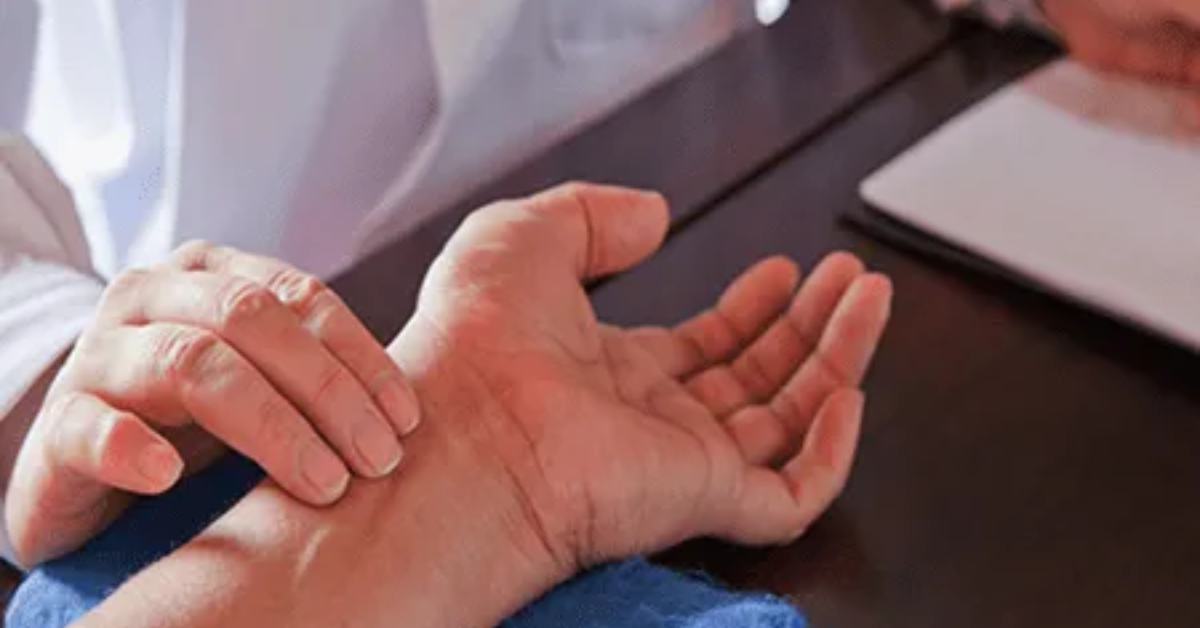
What can I expect during my first visit to a TCM clinic? During your first visit, the TCM practitioner will conduct a thorough assessment of your health, including a review of your medical history, lifestyle, and symptoms. They may also examine your tongue, pulse, and other diagnostic indicators to determine the best course of treatment.
-
Are there any side effects of TCM treatments? TCM treatments are generally safe, but some people may experience mild side effects such as temporary bruising from cupping, slight soreness from acupuncture, or mild digestive changes from herbal remedies. Any side effects are usually short-lived and resolve on their own.
Conclusion
Traditional Chinese Medicine offers a holistic and natural approach to healing that addresses the root causes of health issues rather than just masking symptoms. Through practices like acupuncture, herbal medicine, and cupping therapy, TCM promotes balance and wellness in the body, mind, and spirit. Whether you’re seeking relief from chronic pain, managing stress, or improving your overall health, a TCM clinic can provide personalized and effective treatments to enhance your well-being.
With its deep-rooted history and proven benefits, TCM continues to gain popularity around the world as a viable alternative or complementary treatment option. If you’re considering TCM, be sure to choose a reputable clinic with experienced practitioners who can guide you on your journey to health and wellness.