
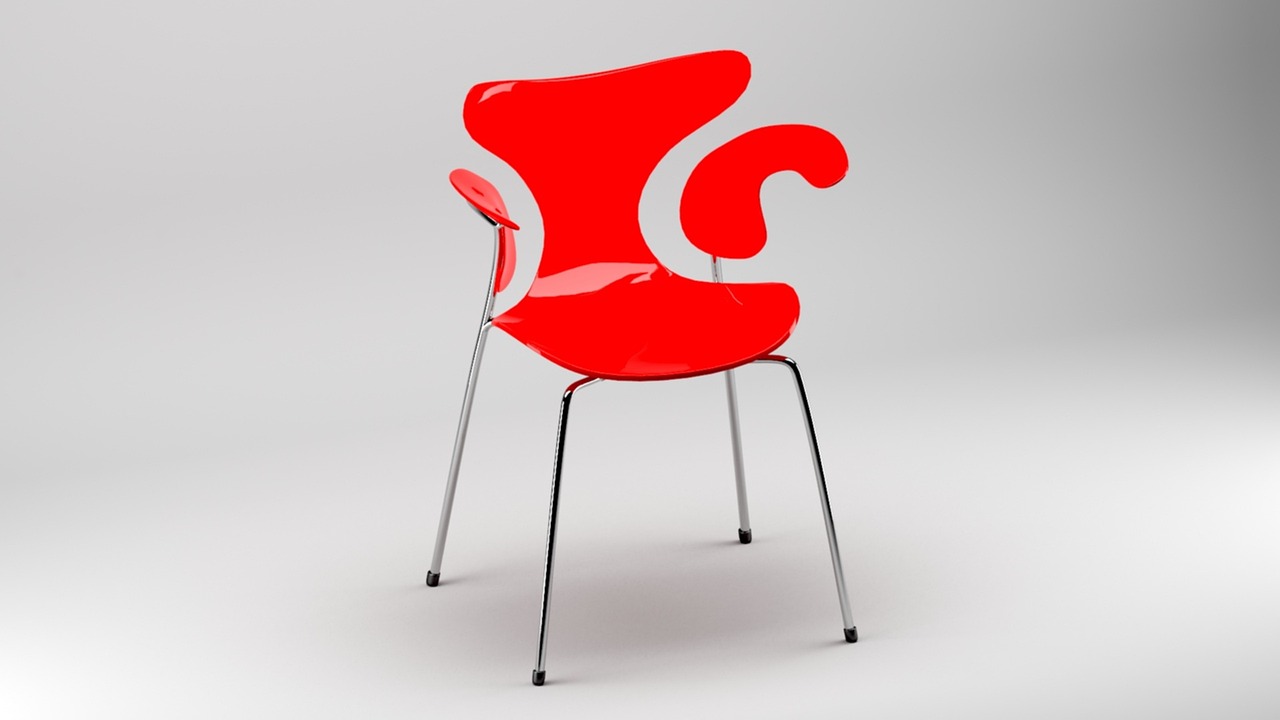
The Importance of Ergonomics in Facility Design: Lotus book 365, Play exchange 99, All panel.com
lotus book 365, play exchange 99, all panel.com: Designing a facility involves a lot of factors to consider, from the layout to the materials used, to ensure a safe and efficient environment for its occupants. One crucial aspect that often gets overlooked is ergonomics. Ergonomics refers to designing a space or equipment to fit the human body’s capabilities and limitations. It focuses on optimizing human performance and reducing discomfort and the risk of injury.
The importance of ergonomics in facility design cannot be overstated. By incorporating ergonomic principles into the design process, you can create a workspace that promotes health, safety, and productivity. Here are some key reasons why ergonomics should be a top priority in facility design:
1. Enhances worker productivity: A well-designed workspace that considers ergonomics can help employees perform their tasks more efficiently. By minimizing physical strain and discomfort, workers can focus better on their work and get more done in less time.
2. Reduces the risk of injuries: Poor ergonomics can lead to musculoskeletal disorders (MSDs), such as back pain, carpal tunnel syndrome, and neck strain. These injuries can result in absenteeism, reduced productivity, and increased healthcare costs. By designing a workspace that supports proper posture and movement, you can prevent these injuries and create a safer environment for employees.
3. Improves employee satisfaction: Employees who work in a comfortable and well-designed workspace are more likely to be satisfied with their jobs. When workers feel supported and valued, they are more engaged, motivated, and less likely to seek employment elsewhere.
4. Enhances customer experience: Ergonomics not only benefits employees but also customers. A well-designed facility that is easy to navigate and comfortable to be in can leave a positive impression on visitors, enhancing their overall experience and satisfaction.
5. Supports inclusivity: By incorporating ergonomics into facility design, you can create a space that is accessible to individuals of all abilities. This inclusivity not only benefits employees but also customers, making your facility more welcoming and accommodating to everyone.
Incorporating ergonomics into facility design may require some investment upfront, but the long-term benefits far outweigh the costs. By creating a workspace that prioritizes the health, safety, and well-being of its occupants, you can improve productivity, reduce injuries, and enhance overall satisfaction.
—
FAQs:
Q: How can I incorporate ergonomics into my facility design?
A: Start by assessing the needs and tasks of your employees to understand how they interact with the workspace. Consider factors like seating, lighting, workstation layout, and equipment design to create a workspace that supports proper posture and movement.
Q: What are some common ergonomic risk factors to look out for?
A: Some common ergonomic risk factors include repetitive movements, awkward postures, heavy lifting, and poor workstation design. By identifying and addressing these risk factors, you can create a safer and more comfortable workspace for your employees.
Q: How often should I review and update the ergonomics of my facility?
A: It is recommended to regularly review and update the ergonomics of your facility, especially when there are changes in tasks, equipment, or the workforce. By staying proactive and responsive to ergonomic issues, you can maintain a safe and healthy workspace for all occupants.