
The Evolution of Automotive Design: Influences and Innovations
The Art Deco movement of the early 20th century left a lasting impact on various aspects of design, including the automotive industry. Characterized by geometric shapes, sleek lines, and lavish embellishments, Art Deco brought a sense of luxury and sophistication to car designs. This aesthetic style influenced the overall look of vehicles, from the exterior bodywork to the interior details, creating a sense of elegance and modernity that resonated with consumers.
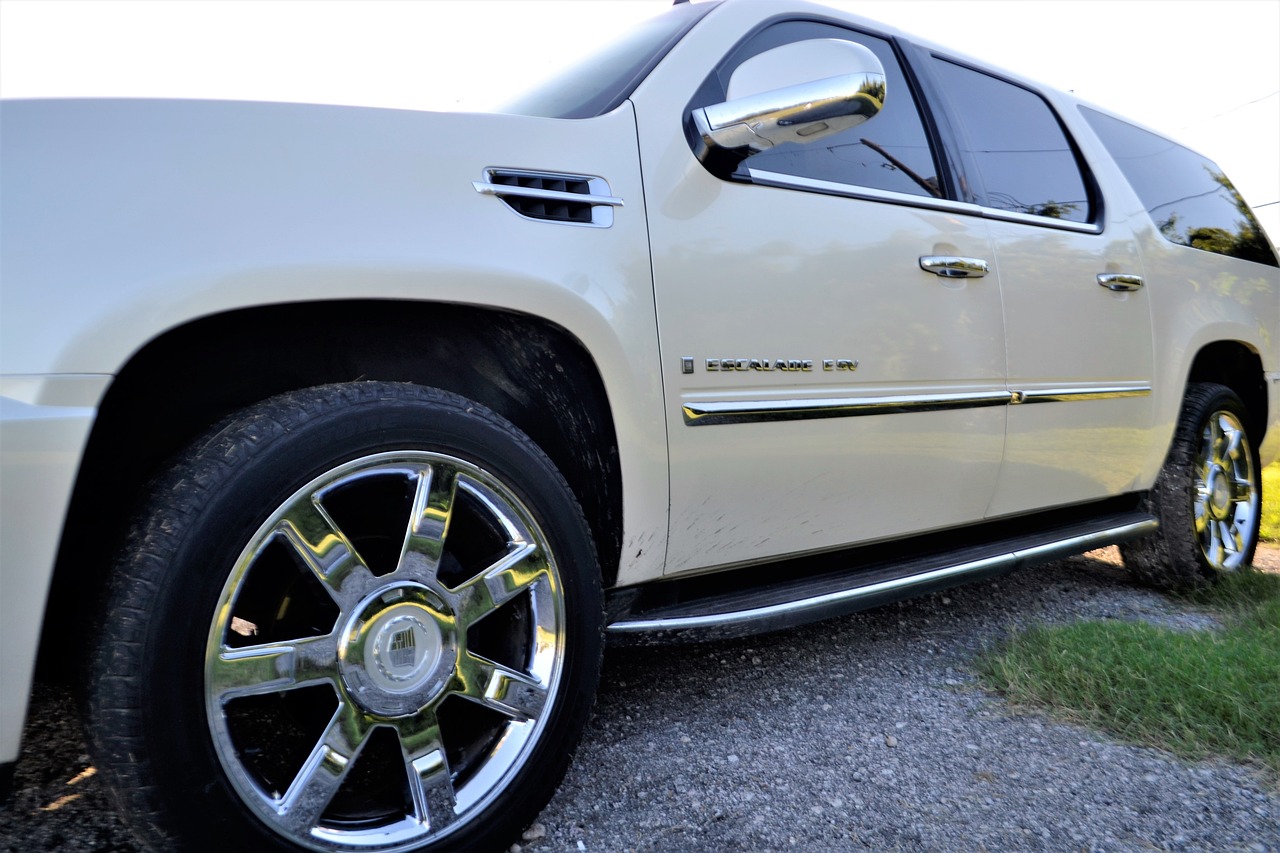
Car manufacturers embraced the Art Deco influence by incorporating elements such as chrome accents, streamlined curves, and bold colors into their car designs. These features not only enhanced the visual appeal of vehicles but also reflected the optimism and innovation of the time period. The influence of Art Deco can still be seen in modern automotive design, with certain models paying homage to this iconic style through their sleek and timeless aesthetics.
Impact of Technology on Modern Car Designs
Advancements in technology have revolutionized the automotive industry, leading to significant changes in modern car designs. From cutting-edge materials to innovative manufacturing processes, technology plays a pivotal role in shaping the vehicles we see on the roads today. One such area where technology has had a profound impact is in the integration of smart features and connectivity options within car designs.
Moreover, the development of electric and hybrid vehicles has driven the need for more efficient and aerodynamic designs. This has spurred the use of computational fluid dynamics simulations to optimize the shapes of vehicles for enhanced performance and reduced drag. Additionally, the incorporation of lightweight materials such as carbon fiber and aluminum into car structures has become more prevalent due to advancements in material science and manufacturing techniques.
• The integration of smart features and connectivity options has enhanced the overall driving experience for consumers.
• Electric and hybrid vehicles have prompted the use of computational simulations to improve aerodynamics and efficiency.
• Lightweight materials like carbon fiber and aluminum are being used more frequently in car designs, thanks to advancements in material science.
Evolution of Aerodynamics in Vehicle Styling
Aerodynamics has played a crucial role in shaping the design of vehicles over the years. As manufacturers strive for improved performance, fuel efficiency, and overall aesthetic appeal, the principles of aerodynamics have become increasingly important in the automotive industry. The evolution of vehicle styling has been greatly influenced by advancements in aerodynamic technology, leading to sleeker and more efficient designs.
From the streamlined shapes of classic cars to the futuristic contours of modern vehicles, aerodynamics continue to be a driving force in automotive design. Engineers and designers work together to optimize the airflow around and through vehicles, reducing drag and improving stability at high speeds. As vehicles become more advanced and eco-friendly, the importance of aerodynamics in achieving optimal performance and efficiency only continues to grow.
How did Art Deco influence automotive design?
Art Deco influenced automotive design by incorporating sleek, streamlined shapes and decorative elements that emphasized speed and modernity.
What role has technology played in shaping modern car designs?
Technology has played a significant role in modern car designs by allowing for the use of advanced materials, aerodynamics simulations, and innovative design techniques to improve performance and fuel efficiency.
How has aerodynamics evolved in vehicle styling over the years?
Aerodynamics in vehicle styling has evolved from basic, boxy shapes to more aerodynamic designs that reduce drag and improve overall performance. Manufacturers now use wind tunnels and computational fluid dynamics to optimize aerodynamics in car designs.